Most water heaters in Contra Costa County are replaced in a hurry, on the day the old one starts leaking. That is the worst moment to learn that the rules changed, that your gas line is too small for the unit you wanted, or that a rebate you could have used had a waiting list. This guide is the conversation we have with homeowners on the phone every week, written down so you can read it before the tank fails.
The short answer
- A standard gas tank is still the cheapest way to get hot water back today, and the quickest to install. It is the right call for a lot of rentals, smaller households and homes where the water heater sits in a tight closet.
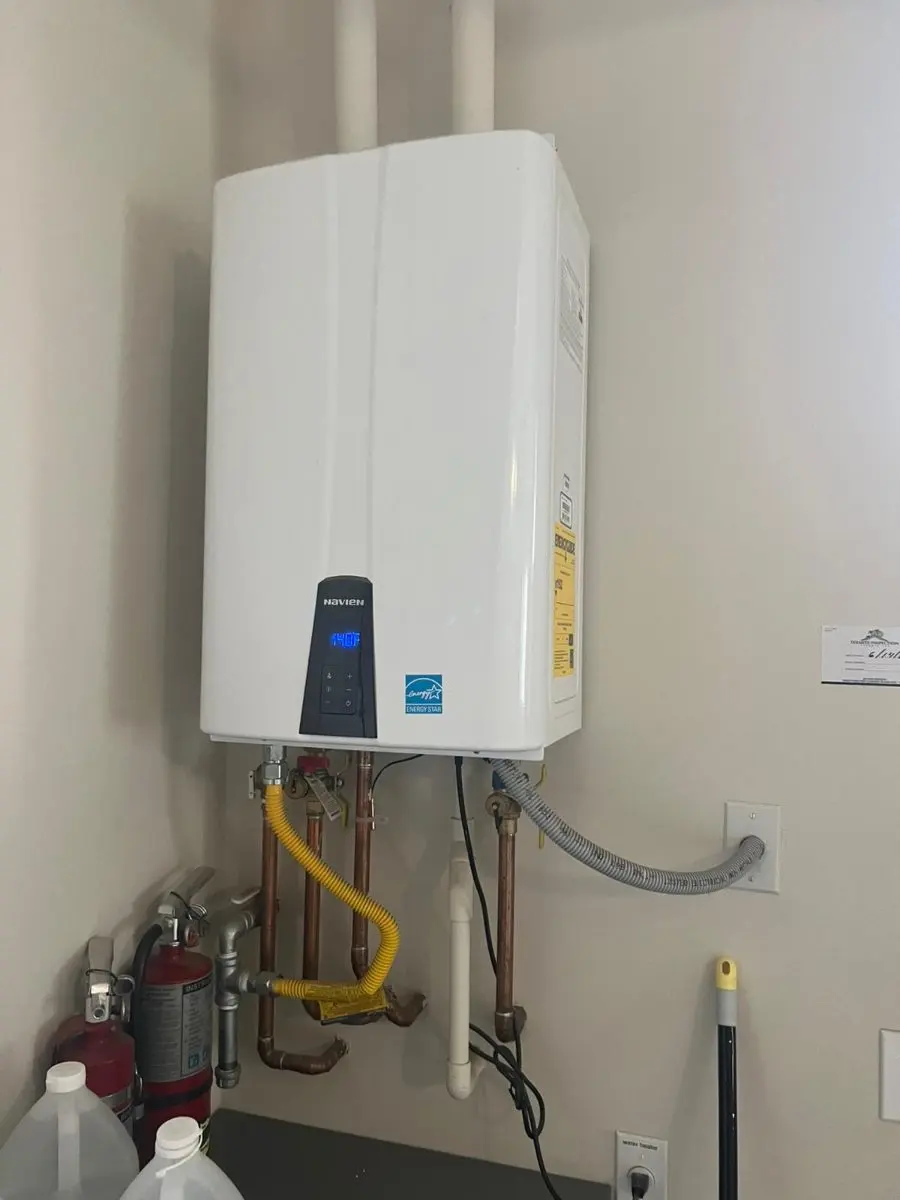
- A gas tankless unit costs roughly double up front, gives you endless hot water, frees up floor space and typically lasts 20 years or more. It needs the right gas supply and venting, which is where the surprise costs hide.
- A heat-pump (electric) water heater is the option the Bay Area is being steered toward. It is the most efficient of the three, qualifies for the local rebates, and is the unit that will still be allowed when the Air District's zero-NOx standard takes effect.
Which one is right for you depends on how many people shower in the morning, where the heater lives, what your gas line and electrical panel can support, and how long you plan to stay in the house. We go through all four questions on every water heater estimate.
What is changing: the Bay Area water-heater rule
In 2023 the Bay Area Air Quality Management District amended Rule 9-6 to set a zero-NOx standard for new residential water heaters. In plain English, once the standard is in effect you will not be able to install a new gas-burning water heater (tank or tankless) when yours is replaced; the practical replacement is a heat-pump water heater. The standard applies at the time of replacement only. Nobody is required to pull out a working gas heater.
The original compliance date was January 2027. Because so many homes were not ready, the Air District proposed in July 2026 to push the date to January 1, 2028 and to add exemptions for low-income households, homes without the space or ventilation for a compliant unit, and homes with electrical limits (panels under 100 amps, insufficient panel capacity, or electrical runs over 50 feet). The Board of Directors was scheduled to vote on those amendments on November 4, 2026.
What each option costs in the East Bay
Every home is different, so treat these as the ranges we see on typical single-family jobs in Martinez, Concord, Pleasant Hill and Walnut Creek, installed and permitted. Your written quote will be exact before we start.
| Option | Typical installed cost | Life expectancy | What drives the price up |
|---|---|---|---|
| Gas tank (40–50 gal) | $2,000–$3,500 | 8–12 years | Code upgrades (seismic strapping, drip pan, expansion tank), relocating the unit, venting fixes |
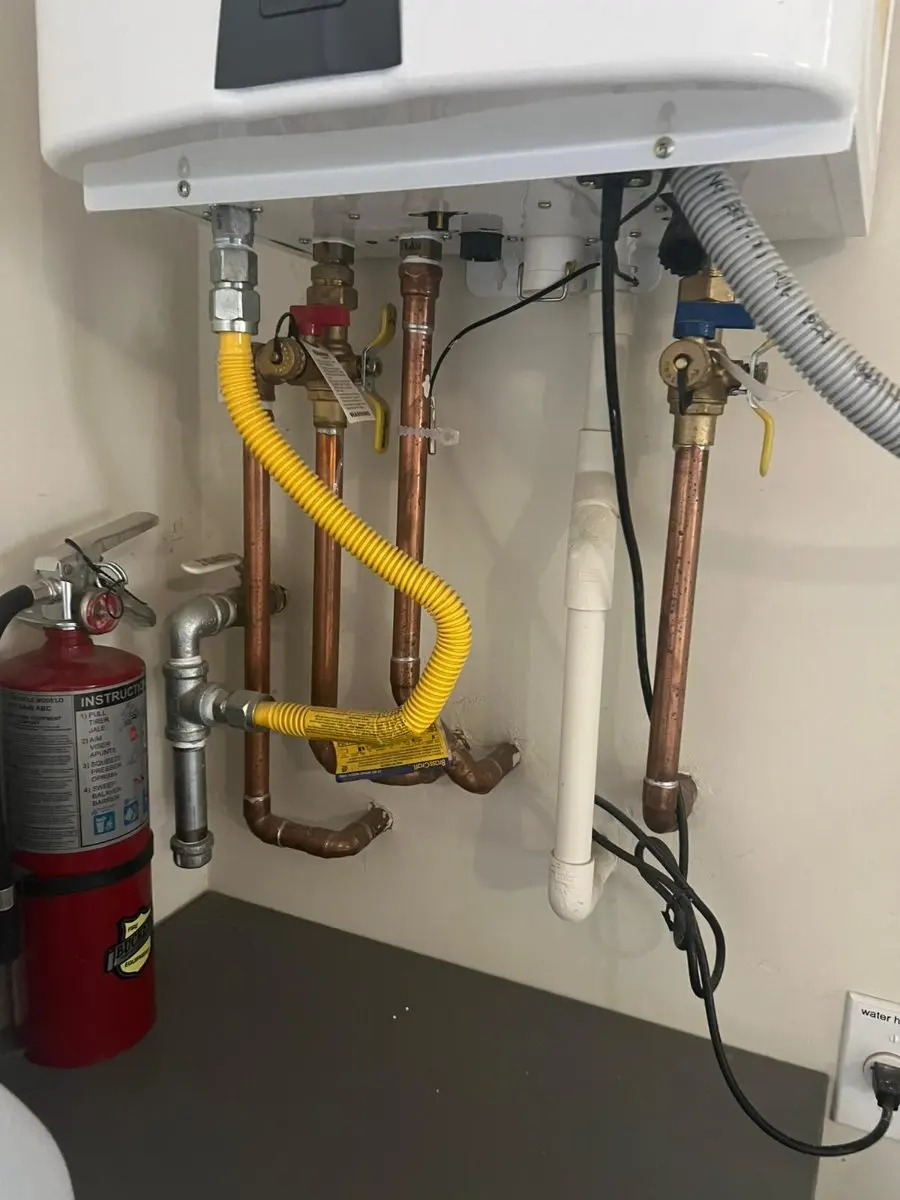
| Gas tankless | $4,500–$7,500 | 20+ years | Upsizing the gas line to 3/4", new stainless or PVC venting, condensate drain, exterior mounting |
| Heat-pump water heater | $4,000–$7,000 before rebates | 12–15 years | Adding a dedicated 240V circuit, panel capacity, finding a spot with enough air volume or ducting |
Two things people underestimate: gas line size and electrical capacity. A lot of homes built before the 1980s in Lafayette, Orinda and the older parts of Concord have 1/2" gas branches that will not feed a 199,000 BTU tankless unit, and panels of 100 amps or less that are already full. Either one adds real money, which is why we look at the meter and the panel before we quote, not after.
Rebates and incentives (and the one that went away)
The federal 25C tax credit that used to cover heat-pump water heaters ended for installations after 2025, so the meaningful money in 2026 is regional. The BayREN Home+ program and PG&E offer rebates on qualifying heat-pump water heaters, and the amounts and funding windows change during the year. Some programs pay more for income-qualified households. We confirm what is available before you commit, and we handle the paperwork that requires a licensed contractor. Gas tankless units generally no longer qualify for rebates in the Bay Area.
Sizing: how we match the unit to your household
Tank
Count the first-hour demand: two people showering back to back plus a dishwasher is comfortably a 40-gallon tank; a family of four with a soaking tub usually wants 50. Going bigger "just in case" costs you every day in standby heat loss.
Tankless
Tankless is sized by flow (gallons per minute) and by how cold the incoming water is. East Bay groundwater arrives around 55°F in winter, so a unit that is rated for 9 GPM in Arizona delivers more like 5–6 GPM here. That is still two showers at once, but it is why a single small unit disappoints a big household. One correctly sized condensing unit is almost always better than two small ones.
Heat pump
Heat-pump heaters recover slowly, so they are sized up: a 50-gallon tank for two to three people, 65 or 80 gallons for four or more. They also need roughly 700 cubic feet of air around them (a garage is perfect, a hall closet is not) or a ducting kit.
Where it lives matters
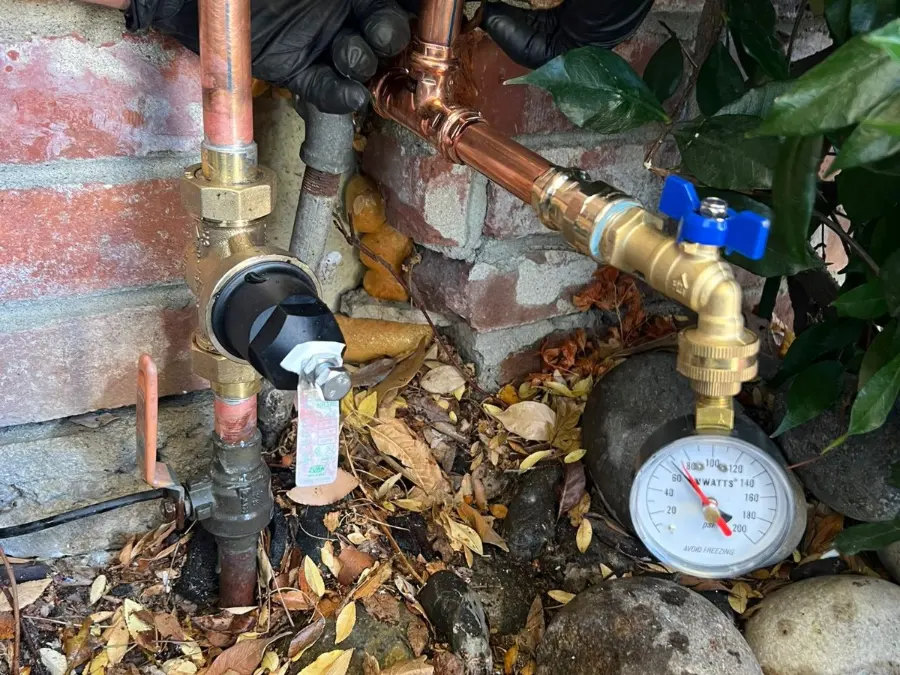
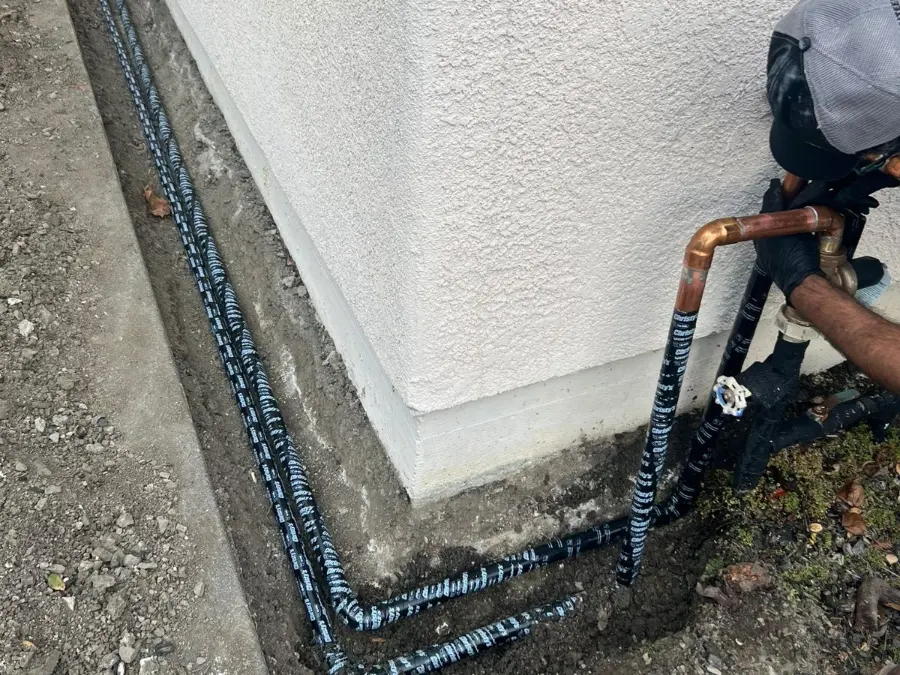
In our climate, mounting a gas tankless heater on an exterior wall is common and saves the cost of venting through the roof. Garages and side yards in Danville, San Ramon and Alamo are ideal. For heat-pump units, a garage installation is the sweet spot: plenty of air, the unit dehumidifies the space as a bonus, and the compressor hum is not in the house. Closets inside the living space are the hardest location for both, and sometimes the honest recommendation there is a high-efficiency tank.
Not sure which way to go?
We will look at your gas line, panel and space, then quote all three options in writing. No pressure, same day in most of Contra Costa County.
Our recommendation, by situation
- Leaking today, tight budget, planning to sell within a few years: a quality gas tank, installed to current code.
- Family of four or more, tired of running out of hot water, staying long term: gas tankless if the gas supply supports it, otherwise an 80-gallon heat pump.
- Garage installation, solar on the roof, or you want the rebates: heat-pump water heater. Pair it with an off-peak schedule and your operating cost drops further.
- Replacing in 2027 or later: plan on heat pump unless you qualify for an exemption; ask us to check your home against the exemption list.
Whatever you choose, make sure it is installed with a permit. Water heaters are one of the most common items flagged on a home inspection in Contra Costa County, usually for missing seismic straps, an unvented T&P discharge line or a flex connector that was never rated for gas. We pull the permit, pass the inspection and haul the old unit away on every job. See our tankless water heater page for the units we install, or read what to do when your water heater is leaking if that is why you are here.
Common questions
Can I still install a gas water heater in Contra Costa County?
Yes, as of late 2026 you can. The Air District's zero-NOx standard for new residential water heaters was adopted with a January 2027 start, and a proposal to delay it to January 1, 2028 with exemptions was before the Board in November 2026. Once the standard is in effect, replacements must meet it unless the home qualifies for an exemption.
Is a tankless water heater worth it for a family of four?
Usually, yes, if the home's gas line can feed it. Endless hot water, lower gas use and a 20-plus year lifespan offset the higher install cost over time. If the gas line needs upsizing and the heater is in the garage, a large heat-pump unit is often the better value.
How long does a water heater replacement take?
A like-for-like tank swap is typically done in two to three hours. A tankless conversion or a heat-pump installation that needs a new circuit is usually a one-day job, and we schedule it so you are not without hot water overnight.
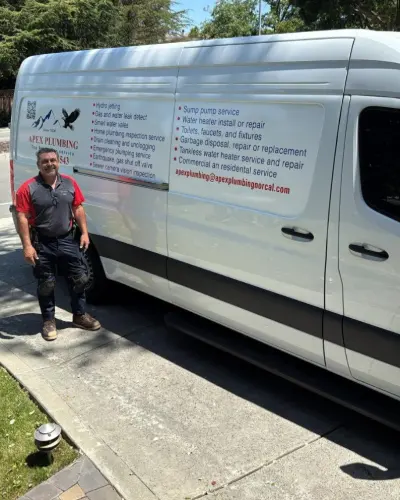
Nick, owner of Apex PlumbingLicensed C-36 plumbing contractor (#1115087) based in Martinez, serving all of Contra Costa County since 2024 with 200+ five-star Google reviews. Questions about this article? Call (925) 226-8543, any hour.